

Go Here Instead: The Trouble with the Cinque Terre
A reader asked if I'm ruining the places I love. Here's my answer.

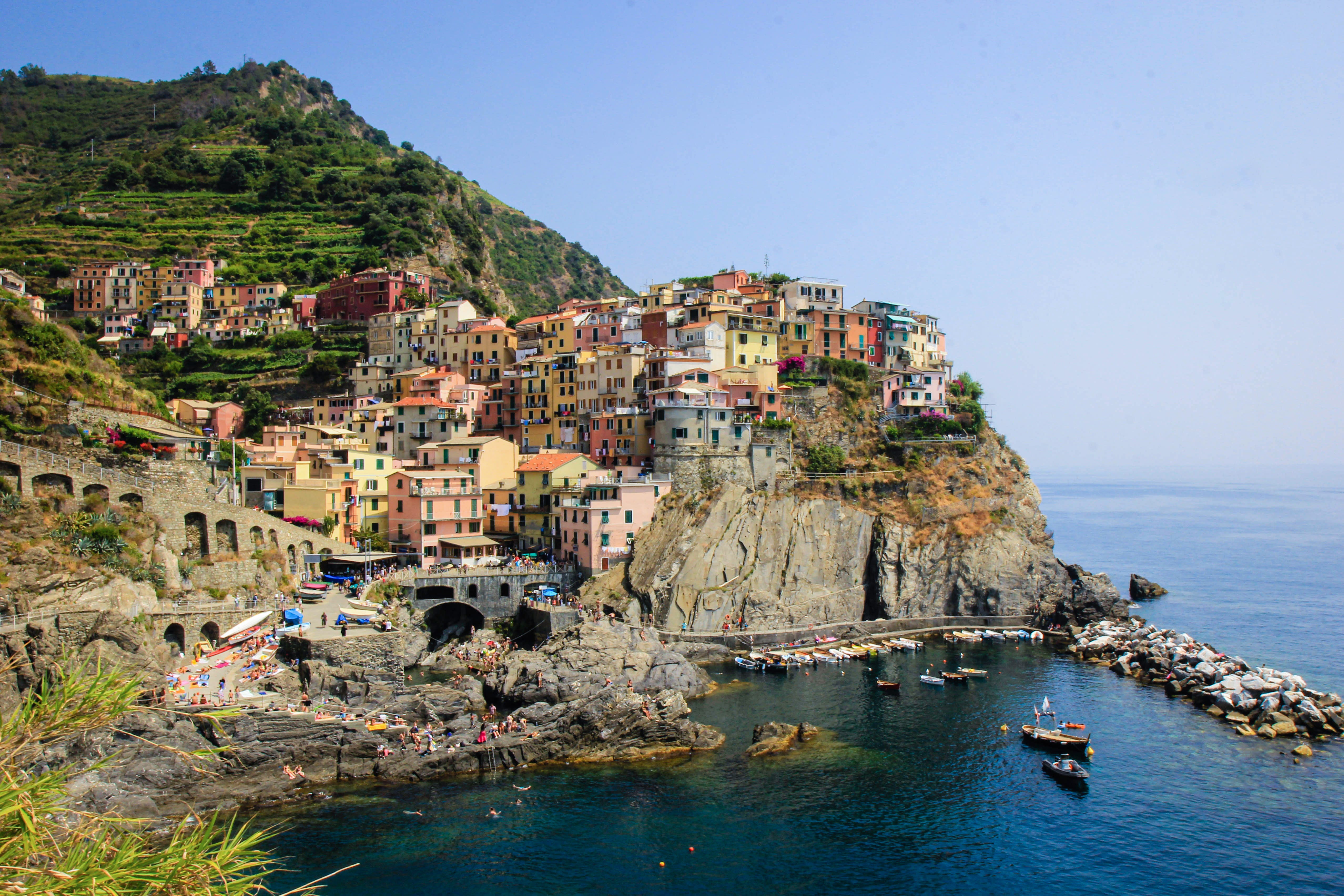
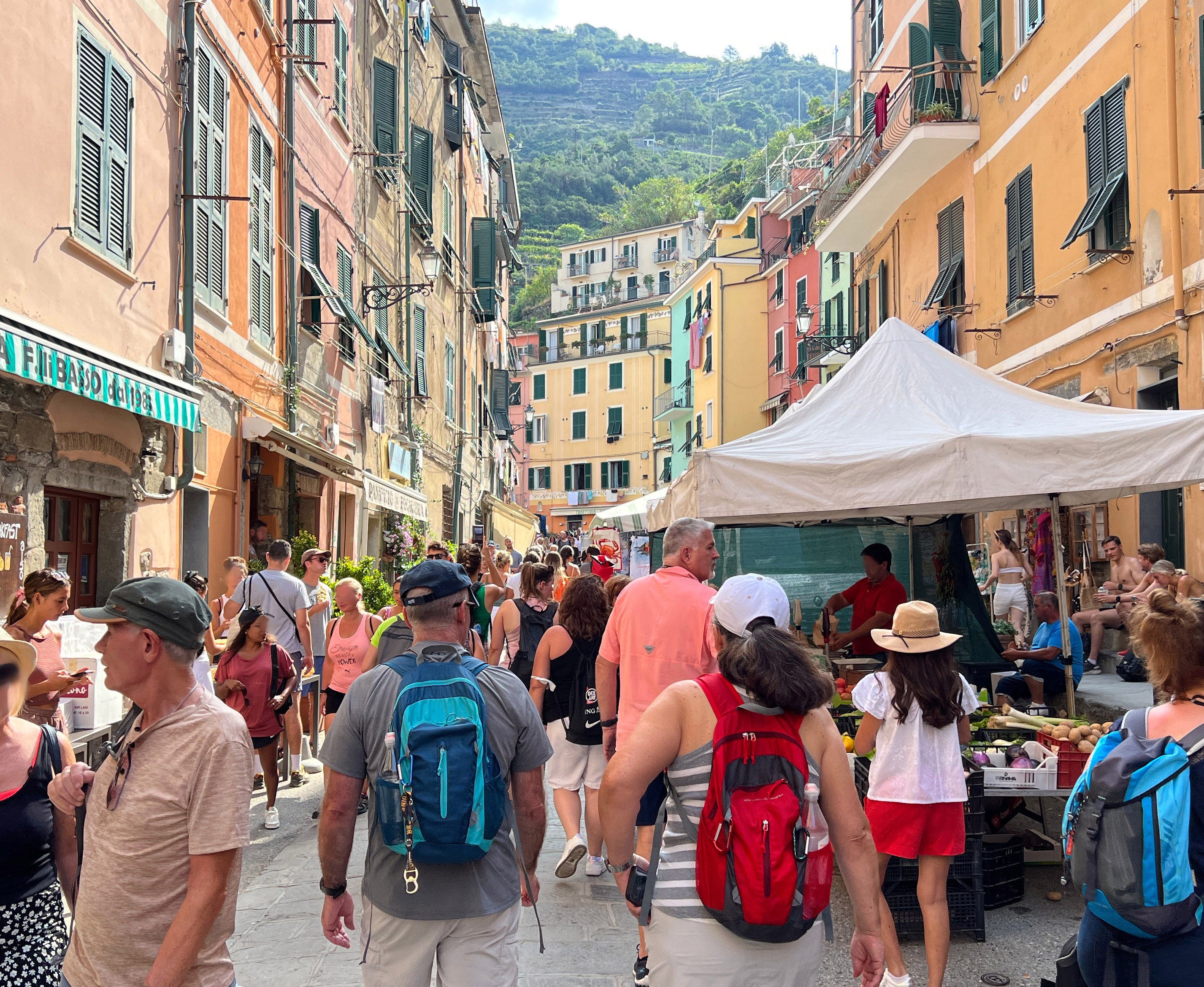
OK, we get it. The Cinque Terre are adorable, and so picturesque, and oh those colorful houses piled on top of one another over rocky beaches, and those cute little fishing boats… You know what’s not cute? Being herded down tiny cobblestone streets surrounded by hordes of sweaty humans, cheap souvenirs, subpar restaurants, long lines, packed trains, overpriced everything, and impossible crowds.
It didn’t start out this way. The Cinque Terre villages, with their ancient history and traditions that are still very much alive, date back to the 11th century. For most of that time, the towns were poor and extremely isolated, only accessible by sea until 1874 when the railroad opened. The 1960s brought roads and the first tourists, but it wasn’t until the 1970s that tourism began to develop and bring some wealth to the villages.
Rick Steves is widely credited with putting the Cinque Terre on the international tourist map with his wildly successful guidebook, Europe Through the Back Door, first published in 1980. I looked up an original copy on archive.org to read it for myself, and it felt like stepping into a time machine.
“A sleepy, romantic and inexpensive town on the Riviera without a tourist in sight,” he begins. Trains connected all five villages for less than a dollar (it costs 10 to 20 times that today). He closes with “The tourists are looking for it, but have yet to find Italy’s Cinqueterre.”
Well, Rick, I think they’ve found it.
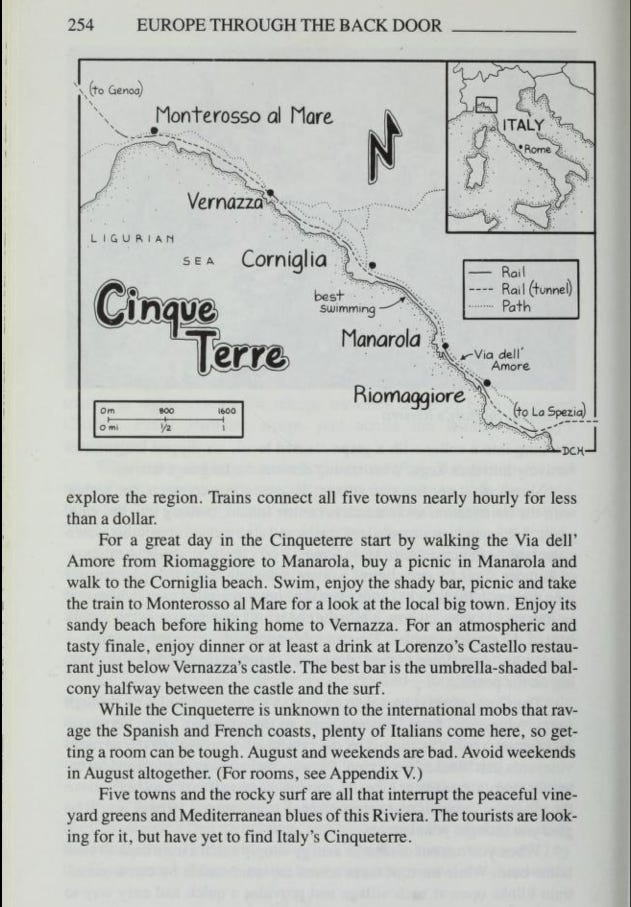
The irony here is not lost on me. Rick Steves’ guidebook promised “authentic, undiscovered” experiences, catapulting these sleepy villages into worldwide fame and unleashing mass tourism that has slowly eroded the very authenticity he was chasing. This, in turn, discourages future travelers and pushes me to write about other “undiscovered” corners that still feel like the real thing.
I received a comment on one of my Go Here Instead posts that said “Why do you want to ruin these lovely spots sending there tourists who want just to put a flag on the map?”
It’s a good question, and I’ve thought about it a lot. I believe that the right amount of tourism could help so many towns and regions of Italy, places that have just as much to offer – small, family-run businesses, delicious food, great wineries, deep roots and old traditions – that could all benefit greatly from a little more love. The exact same thing could have been said for the poverty-stricken Cinque Terre before the arrival of mass tourism. Michael Jensen wrote a great article titled “Over-tourism is bad, But Tourism Helped Save Italy’s Cinque Terre” describing how people complain that the crowds have ruined the area, when in reality the Cinque Terre was in pretty bad shape before the arrival of tourism.
To be clear, the Cinque Terre still has real people, real producers, and an overabundance of beauty. You’ll still find winegrowers working dizzying terraces and making fantastic wines, families running solid trattorias, and really breathtaking views. But those things now exist in spite of the crowds, in an ecosystem defined by tourism.
So where is the sweet spot? Do we just stop traveling? Do I just stop writing? No, obviously I don’t believe that is the answer. Besides the fact that Italy’s entire economy would crumble, traveling brings a richness and connectivity to both the traveler and the destination that is irreplaceable. The strategies for managing tourism have to come from the top, from the policies and infrastructure that decide how many people a place can hold. Over-tourism, paradoxically, is not really the tourist’s fault.
Giulia Scarpaleggia said it beautifully in her post “Why I’m Asking You to Skip Florence,” from a couple years ago:
The responsibility doesn’t lie on you, planning your dream holiday to Tuscany, but on the political and economic system that is not able to manage the current flow of tourists that are choosing Italy as their holiday destination… Truly sustainable tourism happens when the government manages to reconcile the quality of life of resident citizens with the quality of experience of temporary citizens, the tourists.
I don’t have a tidy answer to this dilemma. I’m aware that every place I name risks becoming the next place a post like this is written about, but I would rather send you to a family-run trattoria in a town that needs the business than have you join the crowds in a village that’s practically drowning in them. I also believe that educating people on how to travel deeply, intentionally, and sustainably can fundamentally change the way tourists interact with a place. So I am going to keep pointing you towards the smaller corners of Italy that I love, and trust you to treat them gently.
Next week, I’ll send more of my favorite spots in Liguria, beyond Cinque Terre.
It's a hard question to answer...
…it’s unlikely any words or images you, GS or even someone like Bourdain publish or published actually have much pull on such overwhelming tides. If careful, you might even help or already have helped one excellent underappreciated trattoria or piqued some needed interest in one or two distant, breathtaking towns otherwise at risk of utter abandonment. Geography, economic policy (global more than merely local or regional,) demographics and cultural expression… are the greedy moons that… raise the floodwaters. Focusing on that latter noun phrase… people like GS and you are likely more to help carry richer aspects of places (and people there) across this.. er, brave new world. That has such… tourists in’t. Than to foster any more ruinous starbuckification of it.
I’m just old enough to have been graced to eat up all that, well, relatively empty-spaced magic that rudderless travel and improvised trips used to result in - even in places that have become impossible, by and large, today - in Italy as elsewhere. Again luckily, the peninsula actually is rather special - with simply so many little known places and products- that miraculously still resist. Maybe for your next articles you might dive even deeper into those tiny places in difficulty for various reasons. There are many. Yet they all pretty much deserve to be carried through, I think.